
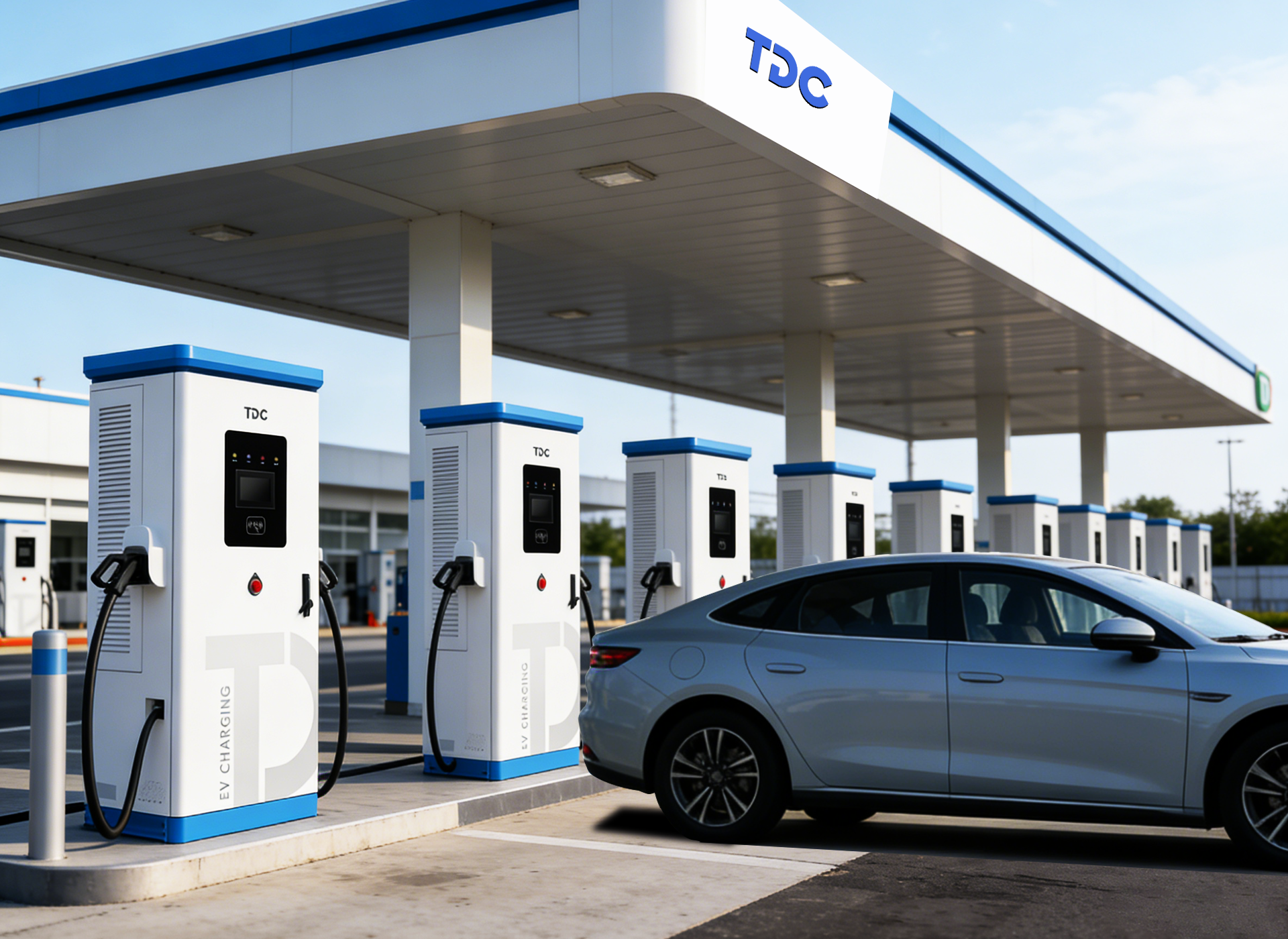
Fast Charging for Every Mile
Get StartedWhether you're on a cross-country road trip, managing a commercial fleet, or operating a public charging network, our DC chargers deliver exceptional speed, reliability, and performance.
Charge smarter. Travel further. Business unlimited.

What Fast Charging Matters?
Alleviate users' anxiety during long-distance travel with 20-30 minute full charges for rapid energy replenishment.
Turn time into money by maximizing site utilization and achieving high turnover.
Boost commercial operational efficiency—efficient charging delivers greater user satisfaction.
How TDC Chargers Drive Business Growth
1 Charger = 3 New Revenue Channel + 3x Customer Stickiness
Charging Service Revenue
High-power DC fast charging enhances charging service efficiency
Flexible pricing by time/energy boosts scenario profitability
Advertising Revenue (New Revenue)
43”advertising screen transform each charger into a dynamic advertising medium, delivering authentic, high-quality, and verifiable ad exposure opportunities.
Partnering with local merchants and brands to sell advertising space creates a second revenue stream.
Consumption-driven
Users spend more time charging their devices, leading to increased shopping and dining time in malls and restaurants.
This generates "free traffic" for your restaurant and retail businesses.

Chargers ≠ cost, Chargers = Welfare, Efficiency, Competitiveness.
Reduce Employee Turnover, Increase Recruitment Attractiveness
“Offering free home charging stations” → Boost recruitment competitiveness by 20-30% in Tech/Innovation companies.
Employees save on charging costs, leading to significantly increased satisfaction.
Optimize Fleet Operating Costs
DC charging stations + TDC Intelligent Management System = Intelligent Operations.
Compared to fuel-powered fleets, EV logistics can reduce operating costs by 40-50%.
Data-driven Scheduling
TDC Hub enables real-time tracking of each charging station's operational status and load conditions across all sites. Dispatch departments can optimize routes with greater precision, reducing empty runs and thereby enhancing operational efficiency.
Supporting Corporate Carbon Neutrality Goals
Equipping with charge facilities can effectively reduce carbon emissions and achieve greener, more sustainable development.

EV Charging Solutions Tailored to Your Specific Needs
TDC offers professional, customized solutions to simplify the management of electric vehicle charging systems—covering equipment monitoring, rate structures, fault diagnosis, one-stop billing, and comprehensive reporting dashboards. We tailor each system to your unique needs.

Choose the Chargers that Meets Your Needs
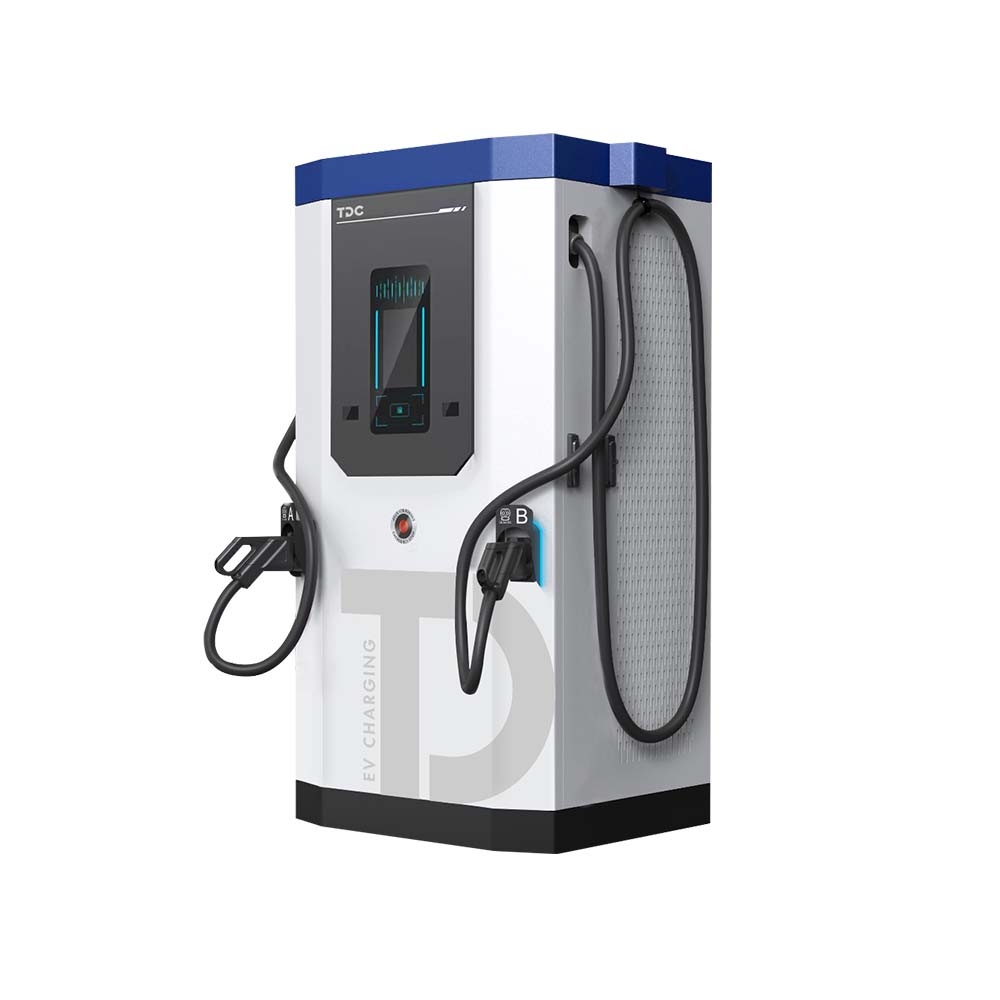
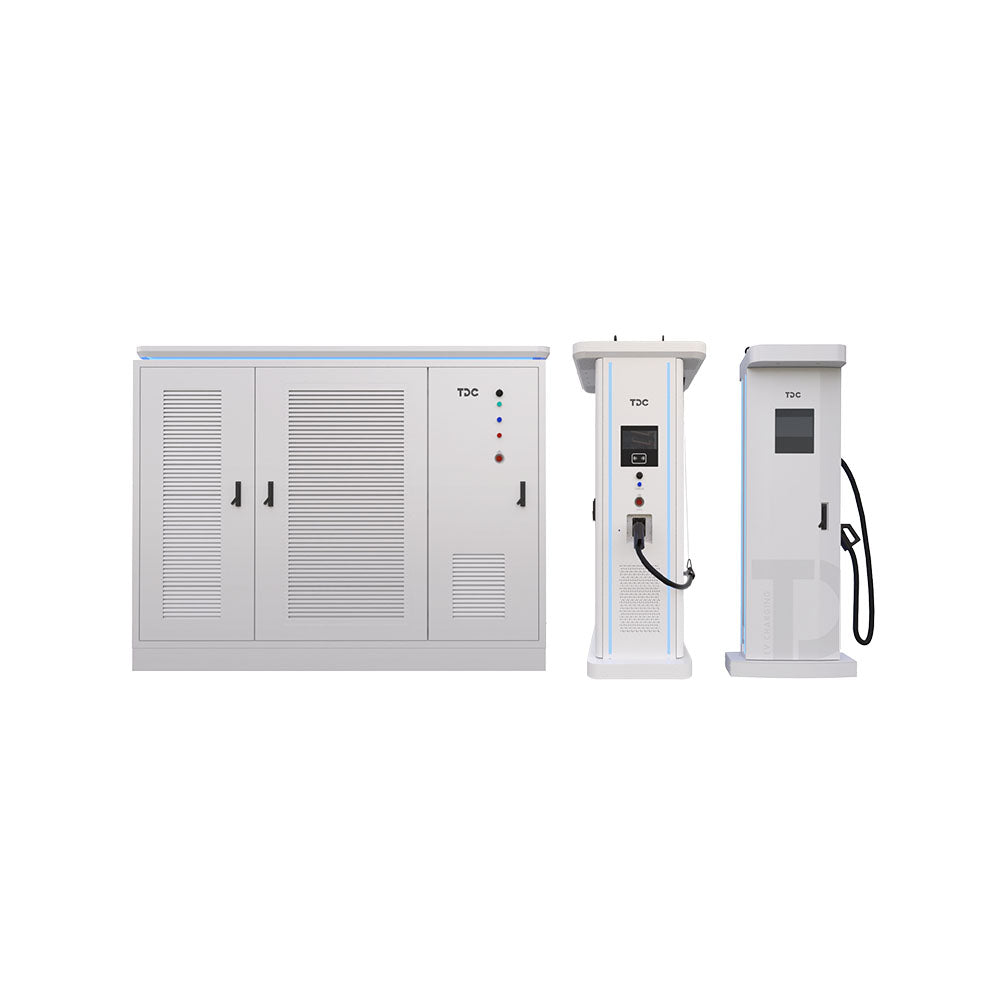
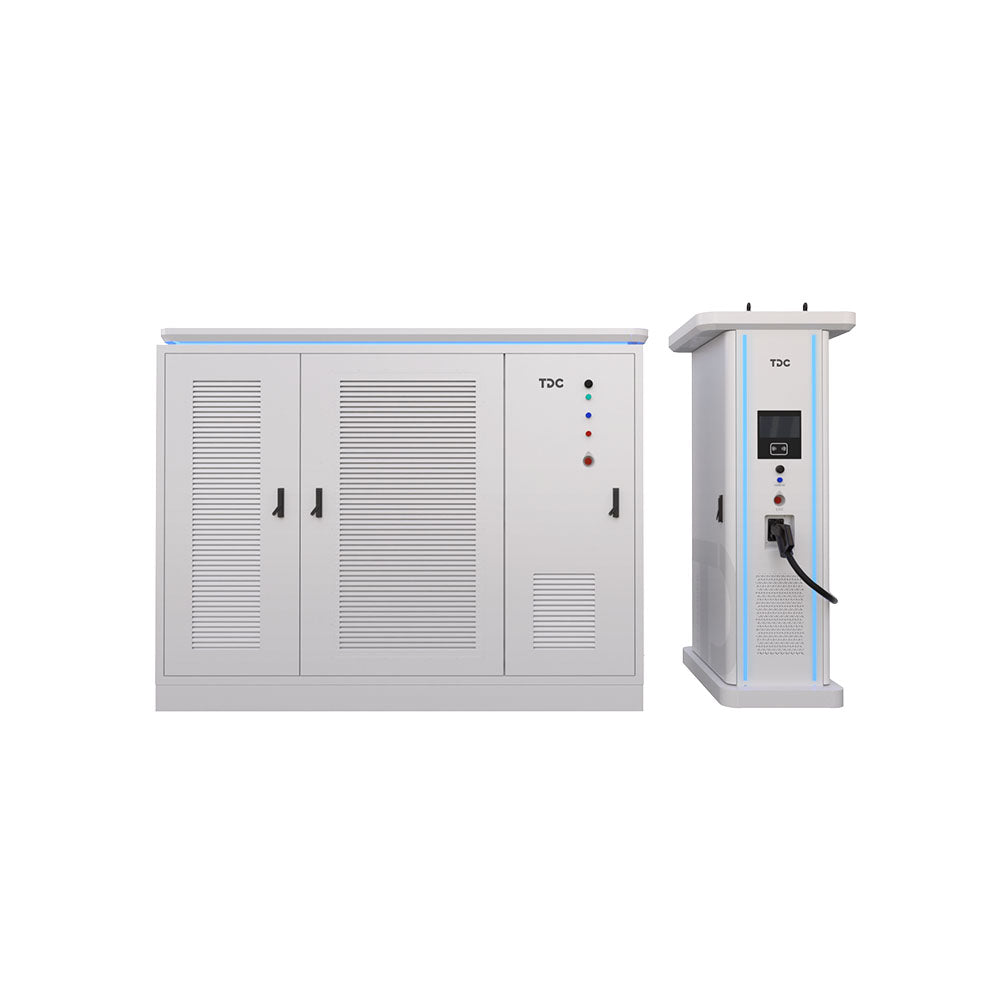
We offer a full range of charging station products, including integrated DC charging stations, split-type DC charging stations, and mobile charging and storage solutions.
All technologies adhere to the globally recognized Open Charging Point Protocol (OCPP), ensuring flexibility, scalability, and vendor independence.
Our equipment has undergone rigorous testing and obtained compliance certifications from multiple countries and regions, ensuring it meets both current and future requirements.


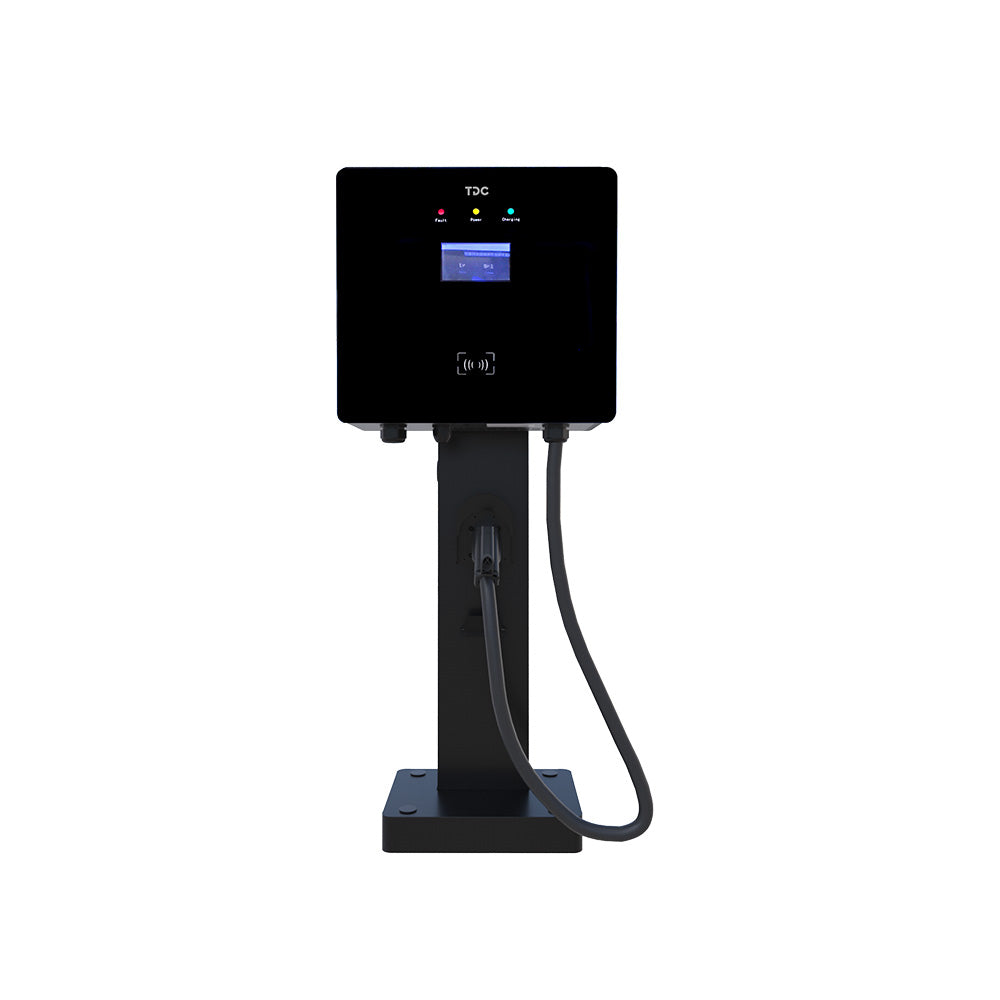
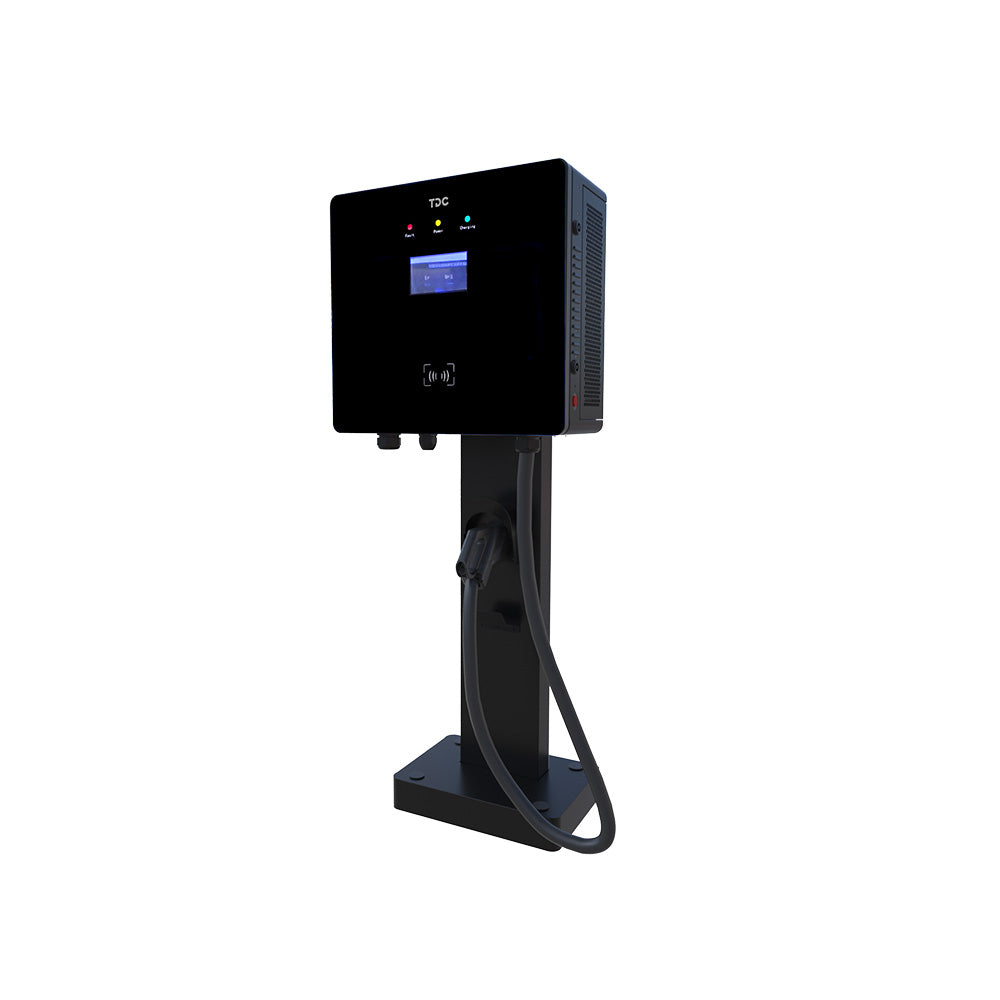
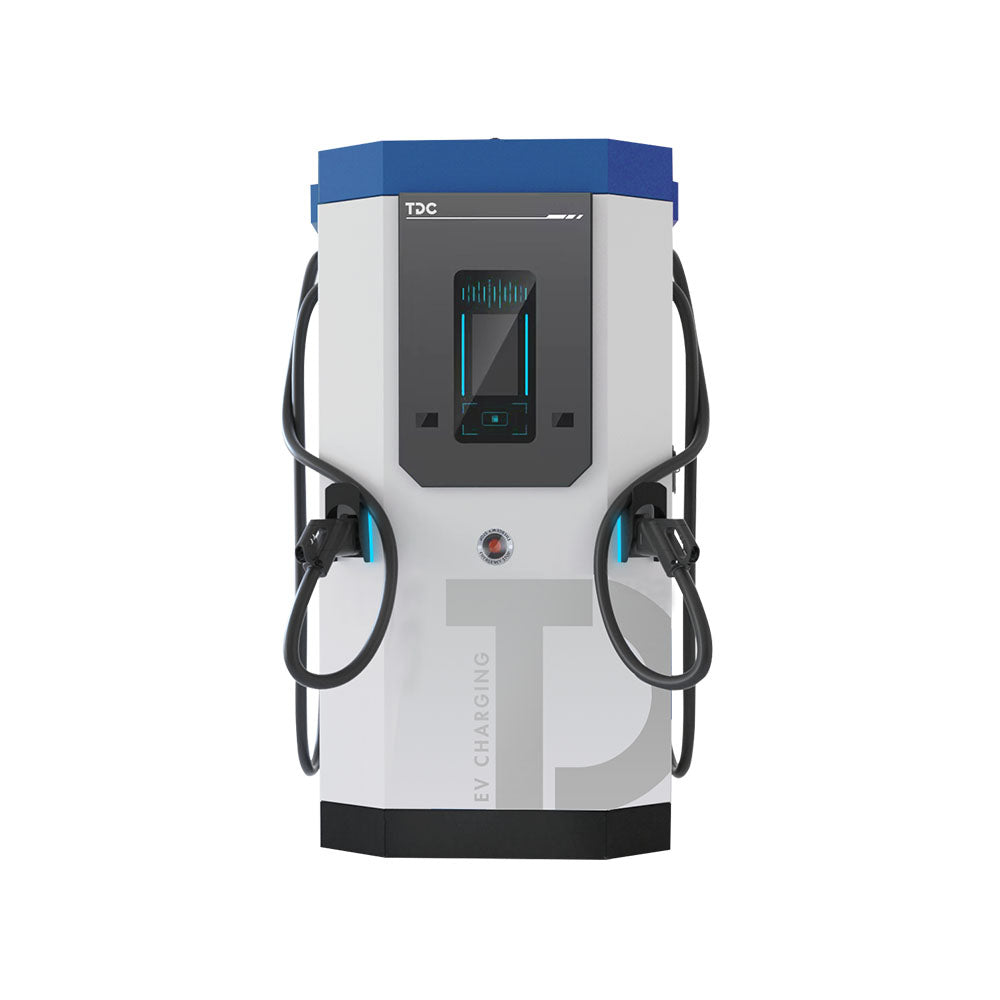

Industry-leading 24/7 Support
We provide industry-leading 24/7 support, available 365 days a year, giving you peace of mind.
We provide unparalleled 24/7 technical, administrative, and customer service support—ensuring charging station operators, EV charging users, and drivers are always well taken care of.
Our maintenance service plans offer comprehensive coverage for both in-warranty and out-of-warranty parts and labor in the event of unexpected incidents.


Ready to Start Charging Your Business?
Get Free QuoteCommercial EV Charging FAQs - Your Questions Answered
Q1: What is the typical ROI timeline for a commercial charging station?
Key revenue drivers include:
• Charging Fees: Income from per-kWh or per-minute billing.
• Advertising (for ZIP & GAM Charger): Additional revenue from integrated digital display screens.
• Government Incentives: Subsidies can cover 30-50% of upfront equipment and installation costs.
Q2: What electrical infrastructure is required for installation?
Standard requirements:
• Voltage: 480V 3-phase electrical service is standard for most DC chargers (60kW–240kW+).
• Capacity: Sufficient grid capacity (transformer upgrades may be needed for multi-unit sites).
• Site Assessment: Our team provides a preliminary load calculation to determine if your current site is ready or needs grid upgrades.
Q3: Can I manage pricing and monitor station status remotely?
• Connect to any third-party Charging Station Management System (CSMS).
• Set dynamic pricing strategies (e.g., peak vs. off-peak rates).
• Monitor real-time health, utilization rates, and revenue dashboards from your laptop or phone.
Q4: Are the chargers compatible with all EV models, including Tesla?
Configuration options include:
• CCS1 / CCS2: The standard for most global EVs (Ford, BMW, Hyundai, etc.).
• NACS: Native support for Tesla vehicles and future NACS-adopters.
• CHAdeMO: Optional support for legacy vehicles (like Nissan Leaf).
• Multi-Gun Design: Allows multiple vehicles to charge simultaneously, maximizing turnover.
Q5: How do you ensure high uptime and minimize maintenance costs?
Maintenance advantages:
• Redundancy: If one power module fails, the charger continues to operate at partial power rather than shutting down completely.
• OTA Updates: 90% of software glitches are resolved remotely via Over-the-Air updates without a site visit.
• Durability: IP54/IP65 rated enclosures designed to withstand extreme weather, reducing physical wear and tear.


